The Importance of OEM Repair Procedures
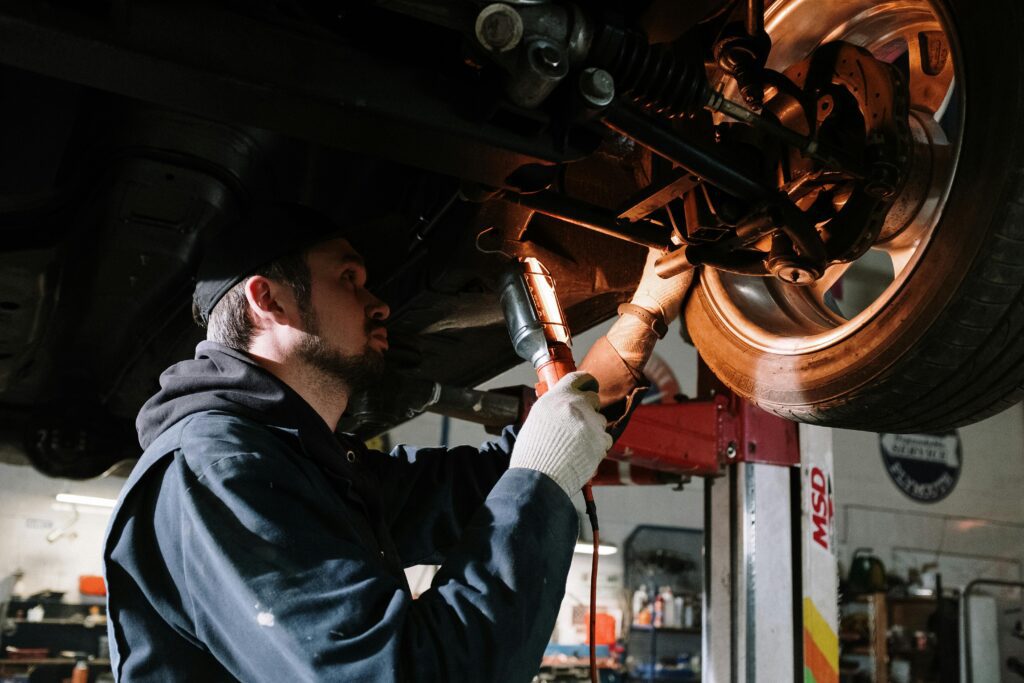
- OEM repair procedures were specifically established by engineers to ensure the safety and proper operation of your vehicle
- These OEM procedures are in place for a number of safety reasons and are highly specific
- Not following OEM repair procedures can cause significant damage to multiple systems of your car or truck in a domino effect
- Only trust a repair facility that uses OEM parts and follows the exact OEM repair procedures
The importance of following the OEM (Original Equipment Manufacturer) repair procedures can’t be emphasized enough. When it comes to vehicles, the OEM is the company that actually manufactures your car or truck. This gives them in-depth knowledge of all the specific details of your vehicle that may not be readily available to the mom-and-pop shop down the road.
With modern vehicles, knowing how to repair a vehicle to its specific OEM standards is especially critical due to all the safety equipment and sensors they have onboard. A small misalignment of said sensors can have serious consequences.
Why The OEM Procedure is Important
The engineers behind all the technology and mechanical parts of your vehicle aren’t coming up with OEM repair procedures because they had extra time to kill at work. They’ve got access to failure data from thousands of units, stress test results, and knowledge about material interactions that would make your head spin.
If the OEM procedure from Ford states to torque a specific bolt to 89 foot-pounds (not 90, not 88), there’s a good reason behind that number. It could be thermal expansion, maybe it’s harmonic vibration, maybe it’s something else entirely. But that number is set at 89 foot-pounds of torque because they’ve done extensive testing.
Deviating from the OEM repair method for even a single bolt could lead to a chain of events that causes significant damage. One over-torqued bolt can lead to a cracked housing, which leads to fluid leakage, and then entire system failure if the leak isn’t noticed. There’s no way of “feeling” the right amount of torque either. You need a specialized tool and the correct OEM procedure.
The Dangers of Non-OEM Repair Methods and Parts
When these specifically designed OEM parts are swapped out for non-OEM parts, the consequences can appear in as little as a few days or as far out as a few months. You might get away with using a “compatible” seal instead of the OEM part for a little while. Until six months later, when a highly pressurized fluid sprays all over your engine compartment while you’re driving down the highway.
Even parts that claim they are compatible (but are not OEM-approved) with your vehicle can fail. Substitute seals could have a different coefficient of expansion compared to the OEM part, which could lead to a sudden failure.
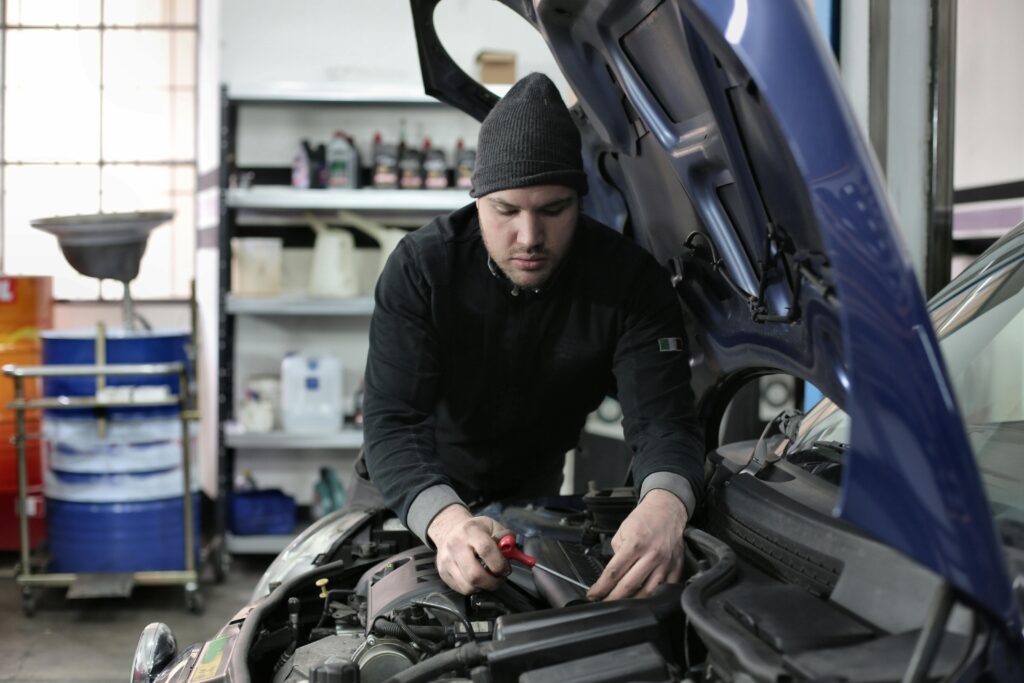
Opting out of following the OEM repair method can lead to a domino effect. You’ll have one component that isn’t working correctly, and now it stresses other components. Soon you’ll be chasing failures through the entire system, and spending way more time and money than if you had just followed the OEM procedures in the first place.
While OEM parts may cost a little more upfront, the value they provide more than makes up for the dollars you’ll save.
Today’s Vehicles Are Complicated
Today’s vehicles aren’t the same vehicles we helped our dad fix in the garage 20 years ago, when tightening things until they were “snug” was proper technique. Everything in your car or truck is connected to everything else. Pulling the wrong connector while working on one system can affect the calibration on something completely unrelated.
Modern diagnostics make this even trickier. Many systems need to be recalibrated after repairs using manufacturer-specific software. Skip that step, and you might not even know there’s a problem until something fails.
Warranty Protection and Legal Compliance
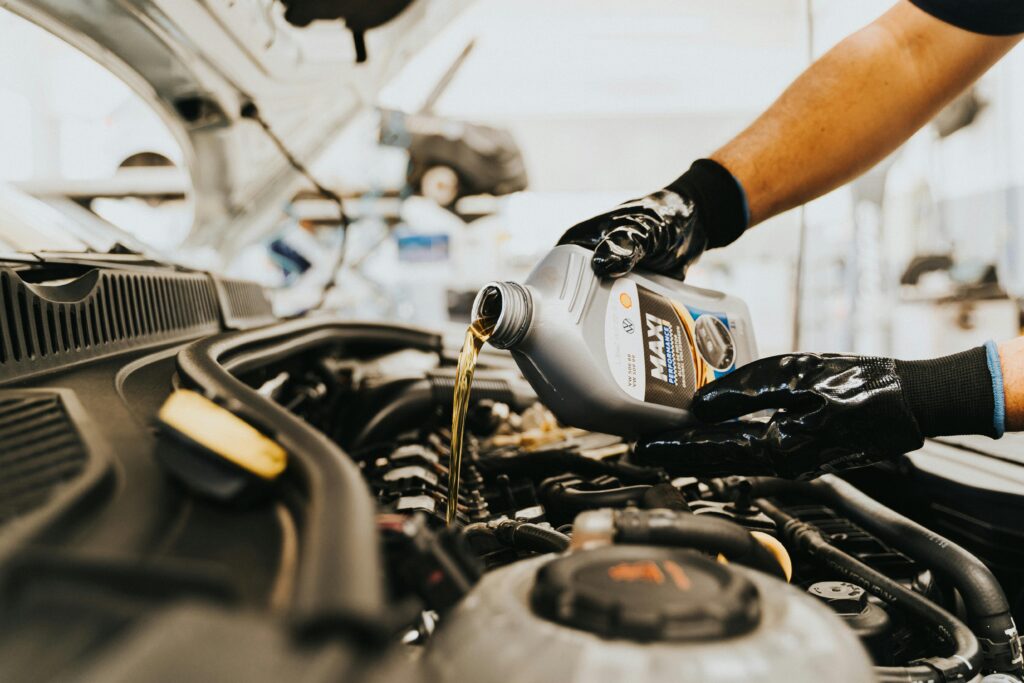
Using OEM repair procedures is often essential for maintaining your warranty coverage. Most manufacturers explicitly state that warranty claims may be denied if the repairs are not performed according to their procedures. Having your warranty claim denied could be caused by something as basic as using the wrong grade of oil or a skipped break-in procedure.
There’s also your insurance company you’ll have to worry about if you bypass the OEM repair procedures. If it’s in their financial interest to hire a forensic investigator to examine what part of the vehicle equipment failed, and they can prove you didn’t follow the specific OEM repair procedures (which is what caused the accident or damages to your vehicle), good luck getting your claim paid.
Both of these examples should speak volumes to the importance of using the parts and specifications that the OEM has established.
The Paper Trail
Following and documenting the OEM repair process keeps everything on the standard level. Any future problems will be easier to diagnose because there won’t be a hidden fault in the system somewhere. Selling your vehicle with this documentation of proper repair adds value. Buyers want to know what they’re getting, and having a paper trail showing that the proper OEM procedure was followed will allow you to command a high resale price.
Final Thoughts
The importance of proper OEM repair procedures is second to none in our increasingly complex and technical vehicles. These OEM procedures represent the culmination of extensive engineering knowledge, safety analysis, and performance optimization that cannot be satisfied any other way. These procedures exist because engineers have spent countless hours figuring out the best way to keep your vehicle running safely and efficiently.
At Collision Veterans Accident Repair, we only follow the OEM repair procedures for your vehicle. Your vehicle will meet or exceed the OEM repair standards after being in our shop. We know the importance of performing this high-quality work on something that is so important to your livelihood. Don’t take chances with other shops that may settle for “substitute” or “compatible” parts. Trust the experts at Collision Veterans and enjoy the peace of mind that comes from knowing you’ve got the correct parts, installed with proper OEM procedures, and get back to what matters most. Request a free estimate from our shop today.